“Export Volume” search results (400)
Ethiopian Coffee Flavor description Grinding degree Taste characteristics introduction of fine coffee beans
Washed coffee accounts for 35% of exports. Good quality washed coffee is processed with freshly picked fully ripe fruit, picked carefully and closely monitored by professionals. The picked clean coffee beans are pulped on the day of picking, then fermented, washed, dried and peeled. The humidity of processed coffee beans is kept at about 12%. Sun-cured coffee accounts for 65% of exports. Mainly by
2016-10-07 Ethiopia coffee flavor description grinding taste characteristics variety boutique
Ethiopian Coffee characteristics introduce Ethiopian Coffee Brand Ethiopian Coffee varieties
In Ethiopia, the grading and quality control system of coffee is divided into three levels: producer, regional and national. All coffee is inspected by local inspection agencies before leaving the country of origin, and then re-tested at the coffee inspection and grading centers in Addis and Diredawa to determine its quality grade. Coffee is graded before auction and sale, for all involved in production, acquisition,
2016-07-30 Ethiopia coffee characteristics introduction brand variety
Angora coffee beans
Angola's Angola, which has been growing coffee for more than 100 years, ranked first in Africa until 1960 and reached 225000 tons in 1979, ranking second in Africa and fourth in the world. The output in 1992 was 5000 tons. Sisal production is second only to coffee, and the level of per unit yield is higher. In 1986, the output reached 20,000 tons, sisal ranked second in Africa both in terms of output and export volume. Luo'an, Xinhuanet
2014-06-30 Angola coffee bean Angola coffee bean price African boutique coffee bean
Ethiopian coffee flavor with intense nutty aromas. Manor characteristics. Fine coffee medium.
In Ethiopia, coffee classification and quality control systems are divided into producer, regional and national levels. All coffees are inspected by local inspection agencies before they leave the country of origin, and then re-inspected at coffee inspection and grading centres in Addis and Diredova to determine their quality grade. Coffee is graded prior to auction and sale, and all participants in production, acquisition,
2016-08-10 rich nutty aroma ethiopia coffee flavor taste manor region
Introduction to Ted Manor in Sidamo Coffee producing area of Ethiopia with acidity and texture
In Ethiopia, the grading and quality control system of coffee is divided into three levels: producer, regional and national. All coffee is inspected by local inspection agencies before leaving the country of origin, and then re-tested at the coffee inspection and grading centers in Addis and Diredawa to determine its quality grade. Coffee is graded before auction and sale, for all involved in production, acquisition,
2016-08-08 Acidity texture Ethiopia Dharma Coffee producing area Manor Ted introduction
Ethiopian Coffee Manor Flavor Description Grindness Taste Characteristics Boutique Coffee Introduction
Ethiopian coffee grade: Ethiopian washed coffee Yirgacheffe G1 G2 Sidamo (Yirgacheffe, Sidamo) the highest grade is second and third grade (G2, G3), the eastern part of Ethiopia sun processing coffee is mostly fourth or fifth grade (G4, G5). In many cases, fourth-grade coffee is labeled as five-grade in order to reduce taxes. The current classification is not very uniform, there are
2016-10-06 Ethiopia Coffee Manor Flavor Description Grind Taste Characteristics Fine
How much is authentic Blue Mountain Coffee? which brand is better for a cup of coffee?
It is very important to choose the right ripe coffee beans when picking. Immaturity or ripeness will affect the quality of the coffee. The picked coffee beans are shelled on the same day, and then let them ferment for 1218 hours. After that, the coffee beans are washed and screened.
2016-10-12 Authentic Blue Mountain coffee less money one cup which one brand
Introduction of Fine Coffee Bean producing areas-- Peruvian Coffee from Peruvian Coffee Manor in South America
Well-known representative coffee: Peru (Peru) Peru is one of the major coffee producing countries in South America, and coffee is Peru's largest export agricultural product, which has grown greatly in recent years. Peru has the Andes that run parallel to the coast. More than 90% of Peruvian coffee is grown in the north, in valleys east of the capital Lima, and in forest areas on the slopes of the Andes. Peruvian coffee
2016-03-24 Boutique coffee beans producing areas introduction South America Peru coffee manor taste well-known
Yega Sheffield Coffee Flavor Coffee Flavor Manor production area introduces the sun Yega Chuefei
Coffee is Ethiopia's most important export cash crop and the main source of Ethiopia's foreign exchange earnings. Ethiopia's coffee exports account for about 3% of the world market, making it the eighth largest coffee exporter in the world. Coffee exports increased steadily from 58000 tons in 1990 to 110000 tons in 1995-1996 and remained at this level in the following years. 2001-2002
2016-08-29 Yega Sheffield Wauka Coffee Flavor Taste Manor producing area introduction Solar
African coffee Angora coffee beans
Angolan coffee Angola Angola has been growing coffee for more than 100 years, and its output has been the first in Africa until 1960, reaching 225000 tons in 1979, ranking second in Africa and fourth in the world. The output in 1992 was 5000 tons. Sisal production is second only to coffee, and the level of per unit yield is higher. In 1986, the output reached 20,000 tons, sisal ranked second in Africa both in terms of output and export volume.
2014-09-18 African coffee Angolan coffee beans
Price of Angolan coffee beans
Angolan coffee Angola Angola has been growing coffee for more than 100 years, and its output has been the first in Africa until 1960, reaching 225000 tons in 1979, ranking second in Africa and fourth in the world. The output in 1992 was 5000 tons. Sisal production is second only to coffee, and the level of per unit yield is higher. In 1986, the output reached 20,000 tons, sisal ranked second in Africa both in terms of output and export volume.
2014-09-17 Angolan coffee Angolan coffee bean price
Introduction to the characteristics of flavor and taste of Ethiopian coffee manor with acidity and texture
Due to different processing methods, coffee can be divided into washed coffee (Washed coffee) and sun-cured coffee (Sun-dried coffee). Washed coffee accounts for 35% of exports. Good quality washed coffee is processed with freshly picked fully ripe fruit, picked carefully and closely monitored by professionals. The clean coffee beans picked up will be pulped on the day of picking.
2016-08-08 Acidity texture Ethiopia coffee manor producing area flavor taste characteristics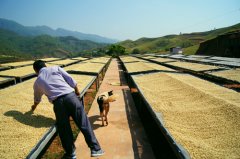
Introduction to the origin of coffee in America-- Peruvian boutique coffee Peruvian coffee taste Peruvian coffee
Well-known representative coffee: Peru (Peru) Peru is one of the major coffee producing countries in South America, and coffee is Peru's largest export agricultural product, which has grown greatly in recent years. It can be seen from the map that the Andes mountains run parallel to the coast in Peru. More than 90% of Peruvian coffee is grown in the north, in the valleys east of the capital Lima, and in the slopes of the Andes.
2016-03-31 America coffee origin introduction Peru boutique taste well-known representative
Introduction to the production area of Ethiopian Coffee Flavor Manor which is divided into washing treatment
Due to different processing methods, coffee can be divided into washed coffee (Washed coffee) and sun-cured coffee (Sun-dried coffee). Washed coffee accounts for 35% of exports. Good quality washed coffee is processed with freshly picked fully ripe fruit, picked carefully and closely monitored by professionals. The clean coffee beans picked up will be pulped on the day of picking.
2016-07-13 Divided into washing treatment Ethiopia coffee flavor taste manor producing area
The Development of Coffee cultivation in Laos
Coffee in Laos has gone through a lot of development in the past 20 years. The speed of development in the past 20 years is faster than that in the past 80 years. The coffee history of Laos can be traced back to 100 years ago. At that time, France was the colonial ruler of Vietnam, Cambodia and Laos, and they began to experiment with growing various crops in these areas. Coffee was quickly found in farmers in Vietnam and Laos.
2014-05-15 Coffee culture coffee cultivation coffee beans
African Coffee Manor Ethiopia Gemma Coffee Raw Bean DjimmaG4 Sun Mocha Flavor
CONTENT [product name] Gemma Djimma [place] Ethiopia (Ethiopia) [place] sun [baking] recommended baking degree: deep baking [cup review] slightly sour, full and complex palate, special fruity aroma (similar to earthy or herbaceous) Gemma is close to Harald's complex wildness in style, slightly bitter on the palate, low acidity, warm and full-bodied taste.
2015-12-28 Africa Coffee Manor Ethiopia producing areas Raw beans DjimmaG4
Introduction to the Origin of Ethiopian Coffee by introducing the Flavor and Taste characteristics of Ethiopian Coffee Manor
Due to different processing methods, coffee can be divided into washed coffee (Washed coffee) and sun-cured coffee (Sun-dried coffee). Washed coffee accounts for 35% of exports. Good quality washed coffee is processed with freshly picked fully ripe fruit, picked carefully and closely monitored by professionals. The clean coffee beans picked up will be pulped on the day of picking.
2016-08-03 Ethiopia coffee manor producing area flavor taste characteristics introduction origin
Ethiopian Banci Maggie Coffee Flavor Description Grindness Taste Characteristics Variety
1. Limu coffee grows between 1400 meters and 2000 meters above sea level. washed coffee. Excellent quality, with intense nutty aromas, moderate acidity and wine intensity. Annual production of 29,000 tons. Gima coffee grows between 1400 and 1800 meters above sea level. Sunburn coffee. Slightly sour, nutty and long finish. Annual production of 70,000 tons. 3. Gambi Coffee
2016-10-06 dried fruit aromatic ethiopian banki maggie coffee flavor description grind
Coffee Industry Analysis in Vietnam strives to improve Coffee quality
Coffee is to Vietnam what tea is to the Chinese. It is a penetration deep into the bone marrow. Almost all of the world's robusta coffee beans (Robusta bean), which are often used to make instant coffee and high-end coffee blends, are exported from Vietnam. Vietnam has a long history of producing coffee, but the development and expansion of its production scale has only begun in the last 20 years.
2015-08-24 Vietnam coffee industry analysis commitment improvement quality
Boutique Coffee recommends Jamaica's Top Blue Mountain Coffee (2)
At a Blue Mountain coffee processing plant for tourists, the commentator revealed to reporters the secret of why Blue Mountain coffee tastes pure: their coffee trees are on rugged hillsides, and the picking process is very difficult. Non-local skilled female workers are simply incompetent. It is very important to choose the right ripe coffee beans when picking. Immature or fully ripe coffee will affect the coffee.
2014-11-20 Coffee knowledge coffee recommendation Jamaica Blue Mountain Coffee